Why Slot Volatility Matters More Than RTP (And How to Use It)
Every slot player eventually discovers the RTP figure. It is printed on the paytable, cited in reviews,...

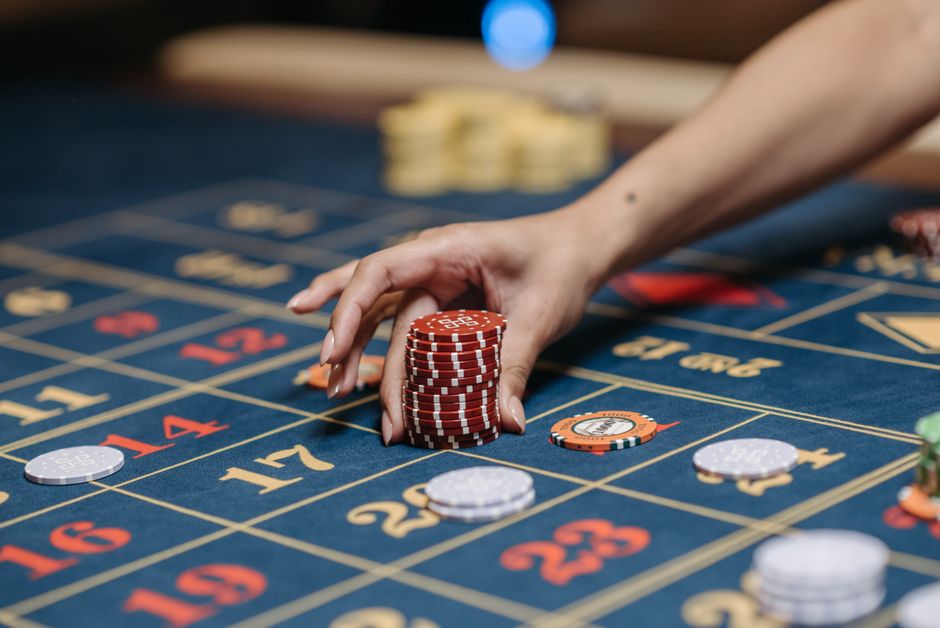
Walk into any casino floor in Macau, Monaco, or downtown Las Vegas, and you'll spot them within minutes. The tourists are easy to read—colorful cocktails in hand, eyes darting between screens, betting slips scattered like confetti. But the regulars? They sit still. Their posture is relaxed. They rarely cheer when they win and barely flinch when they lose. The difference between those two groups isn't luck, and it isn't bankroll size. It's approach.
After more than a decade covering this industry—interviewing poker grifters, slot technicians, and sportsbook managers across three continents—I can tell you that success in iGaming has almost nothing to do with the games themselves. The games are math. The players are the variable. Here's what actually separates the people who consistently walk away up from the ones who don't.
The phrase "the house always wins" gets thrown around like a curse, but it's the wrong framing. The house doesn't always win. The house wins slowly, across millions of spins, bets, and hands. Your job as a player is to exist inside the variance, not outside of it.
Consider blackjack. A skilled basic-strategy player reduces the house edge from around 2% to roughly 0.5%. That's a massive compression. It doesn't make the game beatable in a single session, but it stretches your bankroll five times further over the long run. The same principle applies to video poker. A game like Jacks or Better with a 9/6 paytable (9 coins for a full house, 6 for a flush) tops out at a 99.54% return with optimal play. Playing that same machine with a 6/5 paytable drops the return to 96.87%. Over a thousand hands, that gap costs you real money.
Here's the takeaway: learn the best variant of every game you play. Sloppy choices compound faster than bad luck.
Sports betting is where I see the most discipline gaps, partly because it feels like knowledge-based decision-making rather than pure chance. But here's the thing—bookmakers aren't in the business of being wrong. When a line opens at -3.5 and moves to -4.5 by kickoff, that movement is information.
Some practical details most recreational bettors ignore:
I once watched a professional bettor put $8,000 on a second-division German soccer match because he'd driven to the stadium, watched the warmups, and noticed the starting striker was limping. The line hadn't moved. He won. That's the level of specificity worth pursuing—not hot tips or "lock of the day" Telegram groups. Readers looking for specifics may like L'Avenue Dubai.
I'll be blunt here because slot players deserve honesty more than they get. Slot machines are the highest-margin product in any casino, with RTPs ranging from 85% on some tight physical machines to 97%+ on select online Megaways titles. The volatility is the feature, not a bug.
What actually matures a slot player is understanding three numbers:
If you're playing for entertainment, chase immersion and bonus features. If you're playing to win, understand that you're buying a lottery ticket with better odds on non-jackpot paylines. Never chase losses. Ever. Set a hard stop before you spin once.
Everything else in a casino pits you against math. Poker is the only format where you can play every hand perfectly and still lose because someone made a worse decision and got rewarded. That asymmetry is the game's cruelest feature and its greatest opportunity.
Against a strong field, your edge evaporates. Against a weak one, it magnifies. So the first line of profit in poker isn't table selection—it's game selection. Here's a quick hierarchy of where soft money sits:
Bankroll management in poker follows the classic formula: never buy into a cash game for more than 5% of your total roll, and never buy into a tournament for more than 2%. That's not overly conservative. It's survival math against a game with brutal variance.
I've asked dozens of winning players the same question: what separates you from the guy who just left broke? The answer is almost never "better reads" or "superior math." It's routine.
They track results. They review hand histories. They set session limits by time and loss threshold, not just dollar amount. They leave when they hit a multiplier of their buy-in. They never play when tired, drunk, or emotionally reactive. None of this is glamorous, and none of it works overnight.
The iGaming industry thrives on the dopamine of possibility—the bonus that might land, the parlay that might cash, the pocket aces that might hold. Industry marketing spends billions amplifying those moments. But the players who survive it long-term treat the whole thing as a grind with entertainment value, not a shot at redemption.
Play the games you understand. Understand the edges working against you. Track everything. And decide, before you sit down, what would need to happen for you to leave the table. If you can't answer that question honestly, you're not playing a game. The game is playing you.
Every slot player eventually discovers the RTP figure. It is printed on the paytable, cited in reviews,...
Every gambler has heard the phrase "the house always wins." It's true in the long run, but that's the...
Ask ten slots players what they look for in a new game and you'll hear the same two words: RTP and...