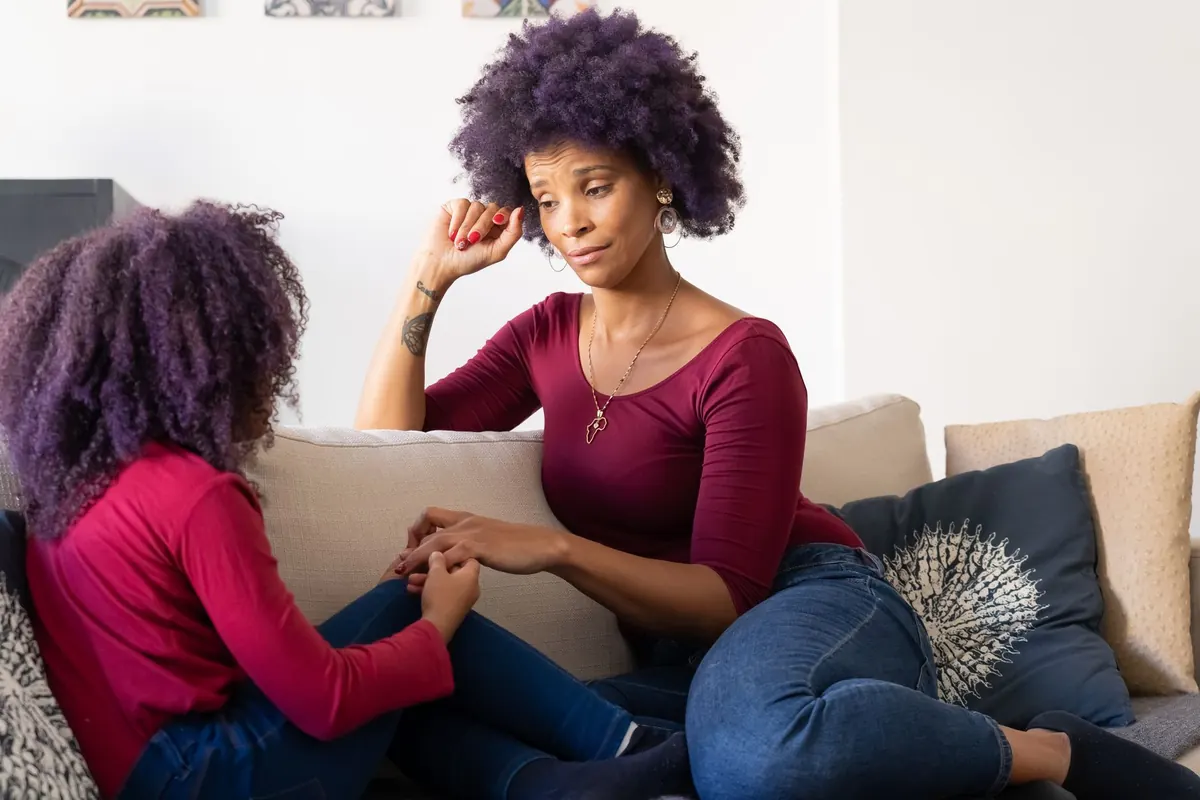
Advocacy Checklist: Requesting a Special Education Evaluation for Down Syndrome
Requesting a special education evaluation starts with a written request, documented concerns, and tracked...

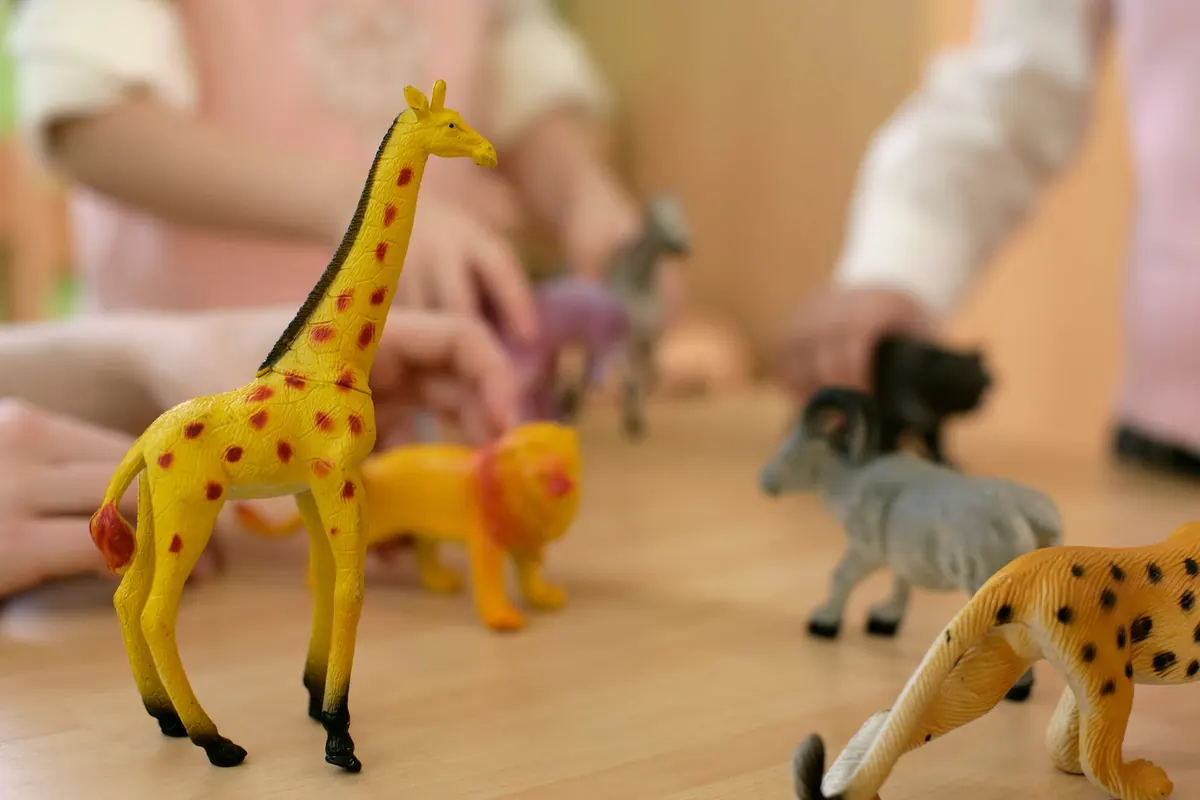
When a four-year-old points at the fridge and says "buh," she is doing something remarkable: she has an idea, and she is handing it to another person. Speech and language therapy exists to make that handoff easier — more frequent, more precise, and less frustrating for everyone involved.
For children with Down syndrome, the work is specific. It is not about correcting a child into someone else's shape. It is about finding the routes that work for this child — spoken words, signs, pictures, a speech device, or a mix — and practicing them until communication stops being a struggle and starts being a habit.
There are two threads running through almost every session. Speech covers the mechanics of talking: sounds, clarity, voice, and fluency. Language covers meaning and use: understanding what others say, building vocabulary, putting sentences together, telling a story, and handling the social rules of conversation. Some therapists also work on feeding and the oral motor skills that chewing and drinking require.
With young children, sessions usually look like play. A therapist might blow bubbles to encourage a "b" sound, set up a dollhouse to practice "in" and "on," or hold a favorite toy just out of reach so the child has a reason to ask. For older children, sessions shift toward retelling events, describing pictures, reading comprehension, and holding a back-and-forth conversation with a peer.
Parents are usually in the room, and that is deliberate. A therapist who only sees a child for thirty minutes a week cannot build a communication habit alone. The real progress happens when the strategies travel home.
A few patterns show up often, and knowing them helps you read your child's behavior more accurately:
These are tendencies, not limits. Your child's own profile will be its own mix.
Good goals come from three places: a formal assessment, what your child actually needs to do during the day, and what your family cares about most. A goal that lives only on a therapy room shelf rarely sticks.
At a goal-setting meeting, these questions are worth asking:
Specific, small goals beat broad ones. "Maya will ask for a drink using a sign, word, or picture in four of five snack opportunities" tells everyone exactly what to look for. "Improve speech" does not.
You do not need a therapy degree to make a difference. These strategies fit into routines you already have:
A common worry is that using signs or a speech app will make a child lazy about talking. In practice, the opposite tends to happen. When a child can finally ask for something and be understood, frustration drops and communication becomes worth the effort. A child who can request with a sign is often more willing to attempt the spoken word alongside it.
Talk with your therapist about which system fits your child right now, and keep spoken words in the mix. For questions about your child's hearing, health, or development, your speech-language pathologist and doctor are the people to ask.
Pick one routine you do every day — snack, bath, the walk to the car. Choose two strategies from the list above and use only those for seven days. Tell everyone who spends time with your child, grandparents included, so the same response happens everywhere. Write the two strategies on a sticky note on the fridge, where you will actually see them.
At the next therapy session, bring what you noticed. Did the waiting help? Which sign did your child reach for first? That kind of detail is gold for a therapist setting the next goal, and it keeps the work moving in the direction your family needs.
Photo: BOOM 💥 Photography / Pexels
Requesting a special education evaluation starts with a written request, documented concerns, and tracked...
Behavior is often a message. This guide covers the most common missteps in behavior support for children...
A practical guide to helping teens with Down syndrome build real independence in cooking, money, hygiene,...